

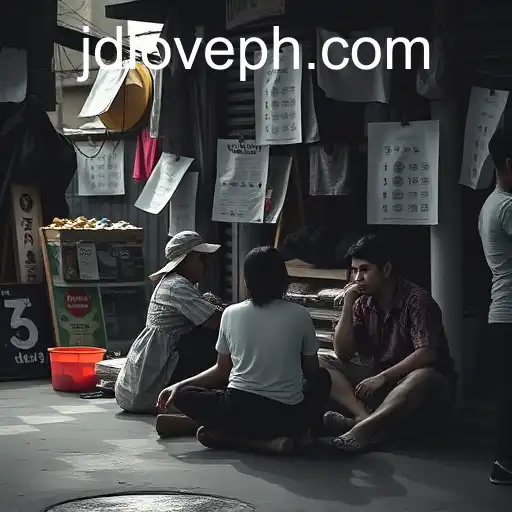

Jueteng, a widely known numbers game in the Philippines, is deeply embedded in the socio-cultural landscape of the country. Often labeled as a form of illegal gambling, jueteng is more than a mere game of numbers—it’s a reflection of the economic and social dynamics that prevail in various communities. Jueteng's roots can be traced back to the Spanish colonial period, when it was introduced as a simple pastime that involved betting on numbers. Over time, however, it evolved into a sophisticated underground operation that has become a staple in many people's lives.
The game’s simplicity is one of its major attractions. Participants choose a set of numbers, usually between one and thirty-seven, and place their bets with a designated collector. Results are drawn multiple times a day, fostering frequent engagement and wide participation from all socioeconomic brackets. Despite its illicit status, jueteng thrives due to its promise of quick and easy money. For many, it offers a glimmer of hope for financial betterment, however slim the odds may be.
Jueteng plays a dual role in the local economy. On one hand, it provides a source of income for the various individuals involved in its operation, from collectors to coordinators. On the other hand, its underground nature means that it doesn’t contribute to government tax revenue, leading to conflicts with legal and economic regulations. The persistence of jueteng highlights the inadequacies in the formal economy to provide sufficient economic opportunities for all citizens, leading many to turn to informal ventures for survival.
The economic dynamics surrounding jueteng raise questions about its implications on poverty. As an economic activity, it drains resources from participants, many of whom are from low-income households, in the hopes of reaping rewards that rarely materialize. However, for operators who successfully maintain and manage the network, jueteng represents a lucrative business opportunity, underscoring a stark divide in the benefits and detriments it offers to different community members.
Beyond its economic impact, jueteng also exerts significant social influence. It fosters a sense of community among its participants, who share in both the excitement of potential winnings and the collective frustration of losses. However, it also perpetuates cycles of poverty and dependence, as habitual betting can deplete financial resources, leaving families in precarious economic situations. Among its more complex social effects, jueteng is often linked to elements of local governance and political machinations.
Jueteng's entanglement with politics is a contentious issue. Local and national officials are frequently accused of turning a blind eye to, or even facilitating, its operations in exchange for financial support or political gain. This can undermine public trust in governance and fuel corruption, but it also provides a channel for local leaders to engage with their communities. The intricate relationship between jueteng and politics is a testament to its deep-rootedness in the Philippine societal structure.
Culturally, jueteng is seen not just as a game, but as a tradition within many communities. It is often organized around festivities and religious events, further embedding it within the local cultural fabric. Despite calls for its eradication, the cultural acceptance of jueteng complicates efforts to curtail its prevalence. Efforts to replace it often fail to consider the holistic cultural significance it holds for participants, which is a crucial aspect that cannot be overlooked in policy discussions.
Various government administrations have attempted to abolish or regulate jueteng through alternative lottery systems and stricter enforcement of gambling laws. Yet, these measures fall short, often because they do not address the root economic and cultural drivers of the game. Without considering the socioeconomic contexts in which jueteng thrives, there is limited impact on its reduction. Addressing jueteng requires a nuanced and multifaceted approach that considers alternative economic opportunities and cultural sensitivities.
In addressing the phenomenon of jueteng, stakeholders must strike a balance between regulation and understanding its basic allure. It demands an examination of the broader socioeconomic structures that facilitate its continued existence. While it poses challenges to public governance and economic policy, jueteng also illuminates the ways in which informal systems emerge to meet the needs not addressed by formal infrastructures. The journey towards addressing jueteng's implications is complex, requiring collaborative efforts across various sectors to devise sustainable solutions. Clicking on this home page provides more insight into similar socio-economic issues.

Discover the captivating universe of FaFaFa, a thrilling game making waves in current gaming circles, especially in relation to JDLove.PH. Learn about its unique gameplay, essential rules, and its place in present-day gaming culture.

Dive into the electrifying gameplay of RaveHigh with the innovative elements introduced by JDLove.PH, a new sensation in the gaming community.

Discover the enchanting world of EllensFortune, a contemporary game that merges exhilarating gameplay with the vibrant themes of JDLove.PH, offering players an immersive and dynamic experience.

Discover the captivating world of MadHitSavannah, a game combining elements of adventure, strategy, and current trends. Dive into its intriguing narrative, groundbreaking mechanics, and explore how it resonates with present-day events.

Uncover the intricate world of DiamondWins, an engaging game drawing attention with its unique mechanics and engaging gameplay, enhanced by its connection to JDLove.PH.

Explore the fascinating world of 3CoinGoldenOX, a captivating game developed by JDLove.PH, known for its innovative gaming concepts and engaging gameplay.
